Understand your requirement
Review identifier and data rules for tyre identification & traceability, substrate, label or tag behaviour, and production speed and read-point conditions using your samples, drawings and production observations.
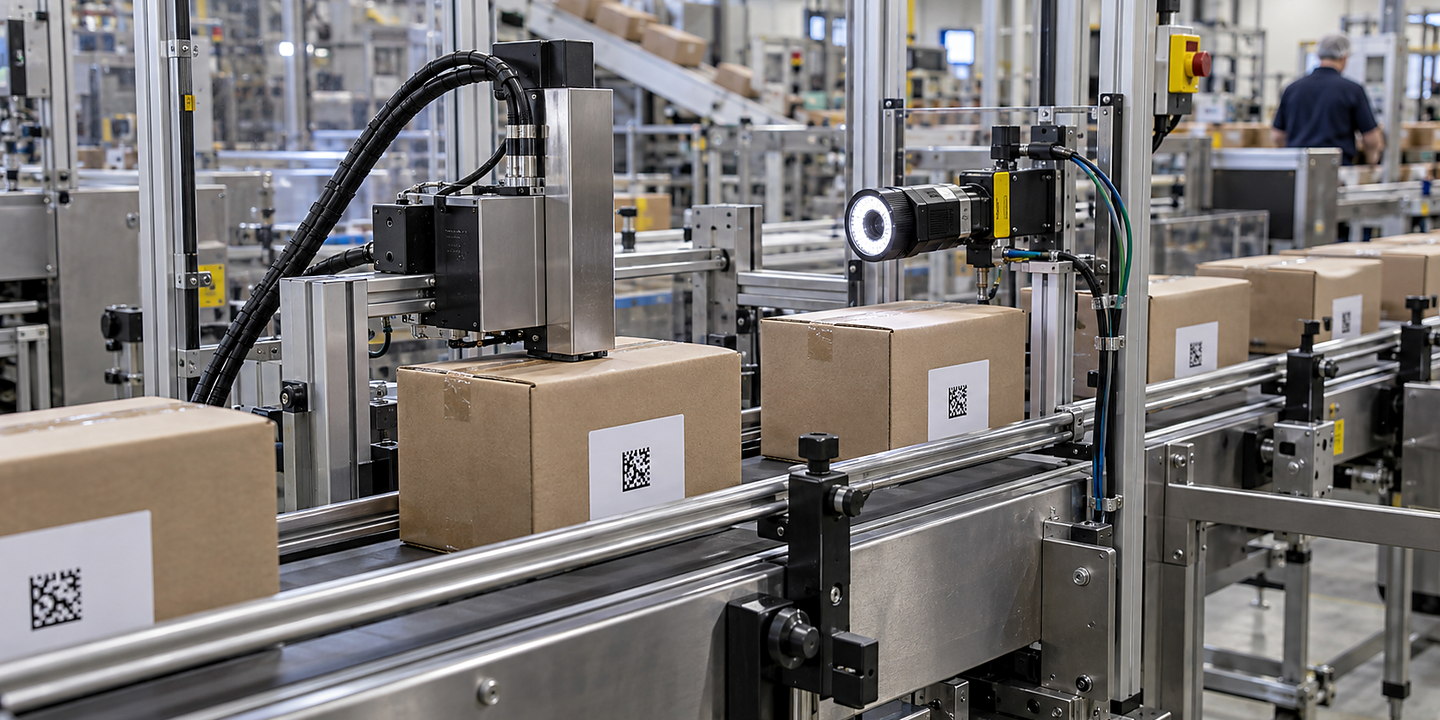
Compare practical options for tyre identification and traceability, including what each route needs, where it fits and what to check before you decide.
The right solution for tyre identification is the simplest system that reliably handles your stated duty, line connections and expected exceptions.
Plan tyre identification around your identifiers, substrates, production events, system interfaces, exceptions and verification records. Discuss a practical data-flow approach with Oxford Traceability.
Plan tyre identification around your identifiers, substrates, production events, system interfaces, exceptions and verification records. Discuss a practical data-flow approach with Oxford Traceability. When you compare solutions, check how each option handles identifier and data rules for tyre identification & traceability, substrate, label or tag behaviour and your surrounding line.
Discuss your application

Review identifier and data rules for tyre identification & traceability, substrate, label or tag behaviour, and production speed and read-point conditions using your samples, drawings and production observations.
Run focused trials for tyre identification so you can see why an option is recommended or ruled out.
Resolve line, business-system and network interfaces, exception, rework and duplicate handling, controls, safety, operator access and maintenance before site work.
Check verification, retention and reconciliation evidence in normal, difficult and fault conditions, then agree training and support for your team.
Typical support: requirements definition, marking or identification trials, controls and data integration, verification and documented acceptance.
| Approach | Often suitable when | Watch for |
|---|---|---|
| Tyre Identification | You need a dedicated solution for a clearly defined duty, product or part range and line interface. | Mark, label, tag and reader performance depends on the real substrate and environment. |
| Label-Based Identification where Direct Marking Is Unsuitable | Direct marking is unsuitable for the required substrate or identification task. | Trial the label on actual tyres under the expected conditions and check that the identifier remains usable through the agreed handling process. |
| Direct-Part Marking where Lifecycle and Substrate Justify It | The substrate and required identification lifetime justify marking the tyre directly. | Trial the proposed method on representative tyres and verify the encoded data and its records as well as readability. |